
Lithium vs Lead-Acid Batteries in a Golf Cart
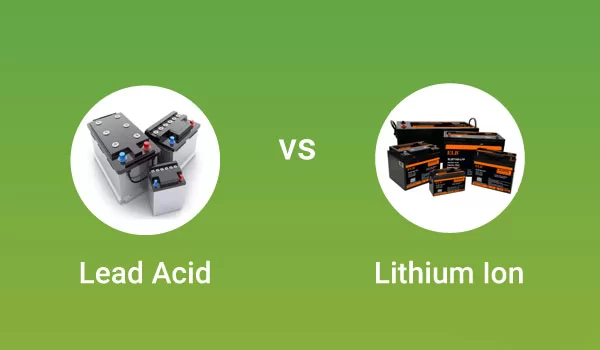
In the Los Cabos climate, battery type shapes your experience with a cart more than almost any other component. Here is the comparison without the fluff.
Lifespan and maintenance
Lead-acid batteries need water level checks and refills, terminal cleaning to fight sulfation, and careful charge cycles; under heavy use in heat they typically last 3 to 5 years. A lithium battery is maintenance-free and can reach a 10-year service life.
Weight, range and performance
Lithium weighs a fraction of a lead-acid bank, which means better acceleration, more real range per charge, and less wear on suspension and brakes. It also holds steady voltage to the end of the discharge: the cart does not feel sluggish at half charge, which is very noticeable with lead-acid.
Charging time
A lead-acid bank needs long, full charges to avoid damage. Lithium accepts fast and partial charges with no penalty, so you can plug in for a couple of hours between outings and keep using the cart the same day.
Total cost
Lithium costs more up front, but once you count two or three lead-acid replacements plus the maintenance time, total cost usually favors lithium. That is why all of our new carts ship with lithium, and we offer lead-acid to lithium conversions from $2,000 USD for existing carts of any brand.